
Oil & Gas Lighting

Lighting for process platforms, oilfield facilities and maintenance work. Match each fitting to the classified area, the environment and the task.

Discuss Your ProjectExplore product ranges

Plan around your working environment.

Oil and gas installations combine open process areas, access platforms, equipment skids and inspection tasks. Lighting decisions need to follow the site’s hazardous-area classification and electrical specification before comparing output or wattage. TORMIN’s BC9306P and BC9307P ranges are listed for oilfield and offshore-platform applications, while portable ranges support inspection work where their exact equipment marking and operating conditions match the site.

Process skids and access platforms

Identify valves, gauges, control points and changes in level that must remain visible. Pipework and structural steel can create deep shadows. Coordinate mounting locations and distributions around the installed equipment, while keeping wiring chambers accessible for inspection.

Tank farms and loading facilities

Separate classified areas from adjacent roads and general circulation space using the approved site drawing. Include loading arms, stairs and operator stations in the visual-task schedule. Check luminaire aiming from both pedestrian and vehicle viewpoints.

Offshore and exposed installations

Salt exposure, wind, vibration and difficult maintenance access affect the specification. Review materials, coatings, brackets and cable entries together with enclosure protection. IP rating alone does not demonstrate resistance to every corrosive environment.

Inspection and shutdown maintenance

Portable lighting needs its own equipment review, not just a match to the fixed-lighting range. Confirm the required operating time, carrying arrangement and permitted operating conditions. Charging and battery servicing must follow the product instructions and site procedures.

What to confirm before selecting a light.

Use these requirements to build a project-specific specification.

Area classification
Provide the zone or applicable classification, gas or dust group, equipment protection requirements and project certification scheme. A zone number alone is not a complete selection specification.
Temperature limits
Confirm the required temperature class or maximum surface temperature and the ambient range at the fitting. Match these to the exact ordering variant and certificate conditions.
Materials and installation
Specify salt or chemical exposure, mounting method, cable type and entry thread. Check the compatibility and certification requirements of glands, stopping plugs and accessories.
Lighting and maintenance
Provide the task locations, mounting heights and maintained-lighting criteria. Include emergency requirements, inspection access and planned cleaning intervals in the scheme.

Product ranges to review.

Start with the application below, then open the product for its specifications and available literature.

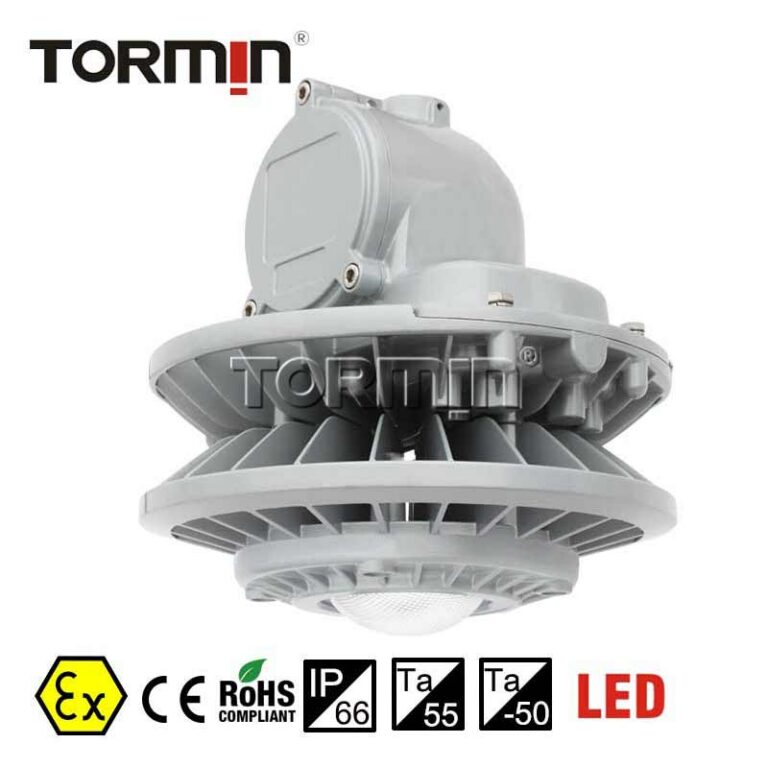
BC9306P Series — Explosion-proof LED light · 30–80 W

BC9306P Series

Explosion-proof LED light · 30–80 W

The published range includes oilfield and offshore-platform applications. Review it for local area and platform lighting, with the exact optical, mounting and certified variant confirmed for the site.

View specifications
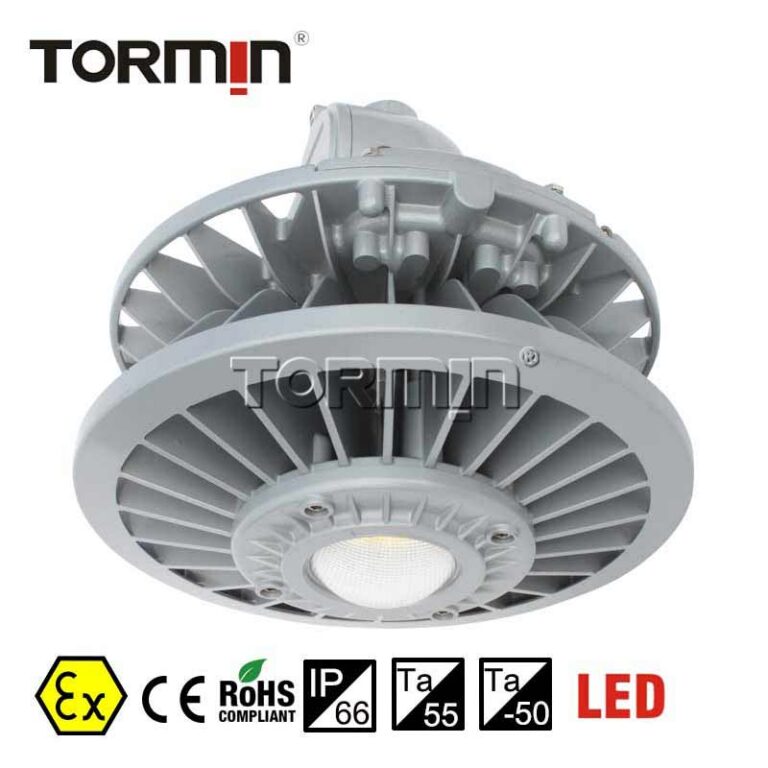
BC9307P Series — Explosion-proof LED light · 100–240 W

BC9307P Series

Explosion-proof LED light · 100–240 W

A higher-power range listed for oilfield and offshore use. Compare its distribution with larger process areas and mounting heights; higher wattage is not a substitute for a layout calculation.

View specifications
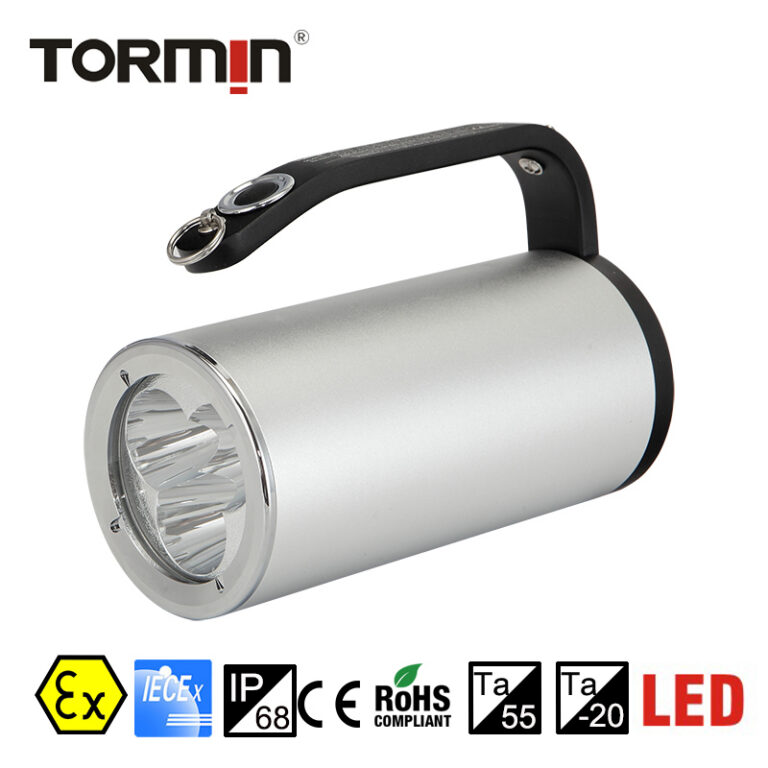
BW7101A / BW7101B — Portable explosion-proof light

BW7101A / BW7101B

Portable explosion-proof light

Listed for equipment inspection and maintenance in hazardous locations. Select the battery configuration and operating mode around the task duration, and confirm the relevant marking and charging instructions.

View specifications

Published product pages list hazardous-area markings and certificate references. Obtain current certificates, schedules and instructions for the exact variant, including any special conditions of use. These selections are not site approval.

Browse all lighting products

A better brief. A more useful quotation.

Send the information below with your enquiry. If a detail is not yet available, identify it as an open requirement so it can be clarified before final selection.

  • Project country and the approved hazardous-area classification drawing
  • Gas or dust group, temperature requirements and required certification
  • Process layout, working planes, mounting heights and lighting criteria
  • Supply voltage, cable entries, mounting method and environmental exposure
  • Product quantities, documentation requirements and delivery schedule

Discuss Your Oil & Gas Project

Email your brief to sales@tormin-lighting.com

Your application questions, answered.

Does a Zone 1 description cover every oil and gas installation?

No. Selection also depends on the substance group, temperature requirements, equipment protection level, ambient conditions, installation and local acceptance requirements. Confirm the complete equipment marking and certificate scope against the project specification.

Are the listed ranges suitable for offshore use?

Their product literature includes offshore applications, but the exact installation still needs review. Specify salt exposure, mounting loads, vibration and maintenance conditions, and confirm the materials and coating of the proposed variant. Do not infer chemical or marine suitability from IP protection alone.

What certificate documents should procurement request?

Request the certificate and relevant schedules for the exact model, the equipment marking, installation instructions and any special conditions of use. Check current certificate status with the issuing scheme or body and confirm acceptance in the project jurisdiction.

Can portable lights replace the permanent emergency-lighting system?

Do not assume so. A portable inspection light serves a different operational role. Emergency coverage, duration, charging and maintenance need to be assessed against the site’s emergency-lighting requirements, with equipment suitable for its installed or intended location.

Need the right industrial lighting specification?

Send the hazardous area, mounting height, target illuminance and project schedule. Our team will help confirm the fit.

Ask a TORMIN Engineer

Tell us what you need.

Fields marked * are required.

Your details will be used to respond to this enquiry.