Petrochemical Lighting

Lighting for chemical processing, transfer areas and plant inspection. Specify hazardous-area protection and environmental compatibility as separate requirements.

Discuss Your ProjectExplore product ranges

Plan around your working environment.

Petrochemical and chemical facilities can expose luminaires to flammable substances, corrosive atmospheres and demanding cleaning regimes. These are related but different selection questions: explosion protection addresses a defined ignition hazard, while materials and enclosure design must suit the service environment. Start with the process-area classification and exposure schedule, then select the lighting distribution needed at equipment, walkways and inspection points.

Reaction and process areas

Map operating stations, instruments, sampling points and access platforms. Vessels and pipe racks can obstruct overhead light, so include the installed process equipment in the layout. Identify temperature conditions at the luminaire rather than relying only on the room temperature.

Transfer and loading stations

Hose connections, pumps and valve positions need usable light at the working plane. Review the classified boundary around the transfer activity and the viewing directions of operators. Locate equipment so it remains accessible without conflicting with process or maintenance operations.

Chemical storage and packaging

Record the substances handled, their storage arrangements and any dust-generating operations. A gas-area approval does not automatically establish suitability for combustible dust. Include rack faces, labels and packaging tasks in the lighting brief as well as circulation routes.

Corrosive and washdown areas

Describe the chemicals, concentrations, exposure frequency and cleaning method. Review housing, lens, seals, fasteners and coating compatibility for those conditions. Water ingress protection is one requirement; it is not evidence of resistance to a particular chemical or cleaning agent.

What to confirm before selecting a light.

Use these requirements to build a project-specific specification.

Process hazards
Supply the approved area classification, relevant gases or dusts and the required equipment marking. Identify whether separate parts of the process have different classification requirements.
Chemical exposure
Describe substances, concentration, temperature and contact mode, including routine cleaning. Request a materials review for the selected construction rather than relying on a general corrosion-resistant description.
Thermal conditions
Provide ambient extremes and nearby heat sources. Confirm the certified temperature limits, surface-temperature requirement and any variant-specific restrictions.
Installation and inspection
Define mounting, cable entries, isolation arrangements and maintenance access. Coordinate the lighting layout with process pipework, platforms and the site’s inspection procedures.

Product ranges to review.

Start with the application below, then open the product for its specifications and available literature.

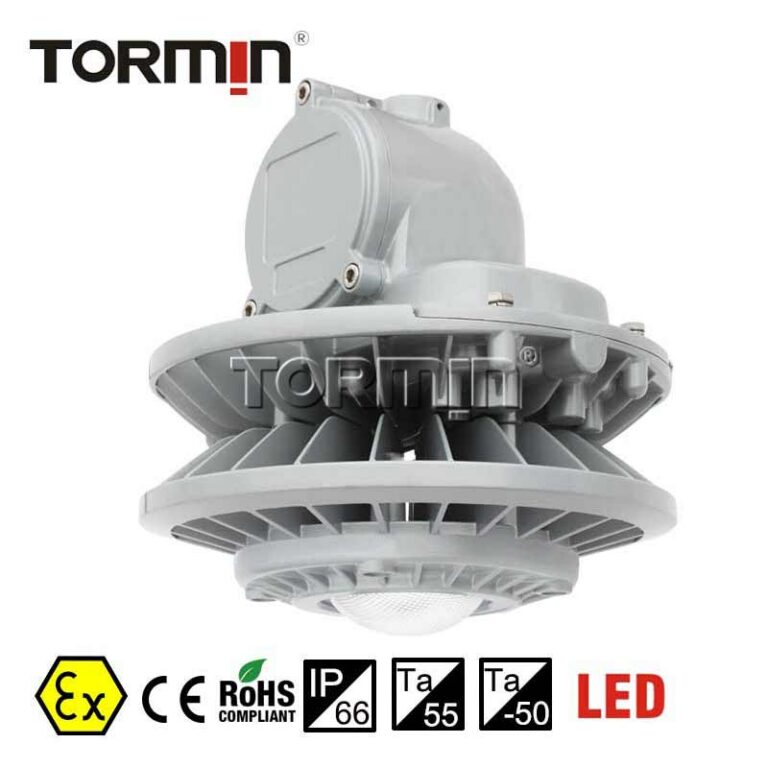
BC9306P Series — Explosion-proof LED light · 30–80 W

BC9306P Series

Explosion-proof LED light · 30–80 W

Listed for chemical-industry applications. Review it for process platforms and local working areas, with the certified configuration and material suitability checked against the exposure schedule.

View specifications
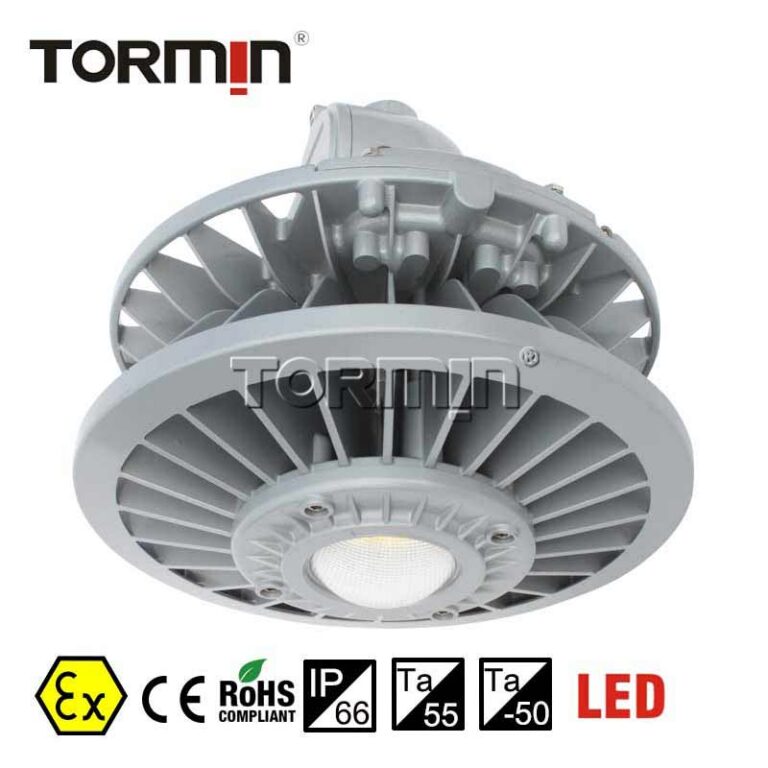
BC9307P Series — Explosion-proof LED light · 100–240 W

BC9307P Series

Explosion-proof LED light · 100–240 W

A range to assess for larger process spaces and elevated mounting. The source describes corrosion-treated construction; compatibility with the actual chemicals still needs confirmation.

View specifications
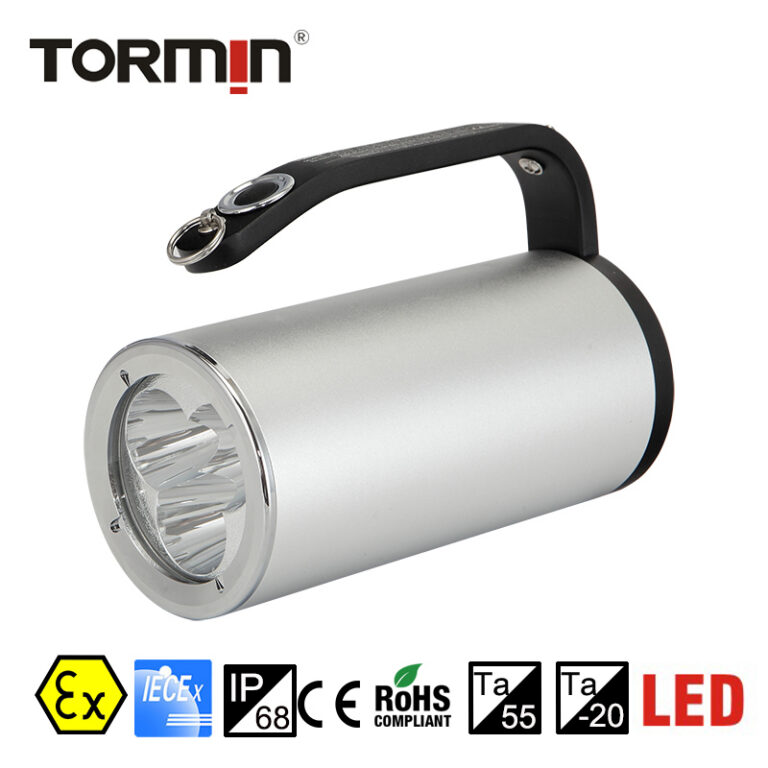
BW7101A / BW7101B — Portable explosion-proof light

BW7101A / BW7101B

Portable explosion-proof light

For reviewing inspection and maintenance tasks where fixed lighting cannot reach. Confirm the selected model’s gas or dust marking, runtime and permitted operating conditions before use.

View specifications

Gas protection, dust protection and chemical resistance are different requirements. Check the complete marking, current documentation and materials for the exact variant; no range is presented as universally suitable for every chemical plant.

Browse all lighting products

A better brief. A more useful quotation.

Send the information below with your enquiry. If a detail is not yet available, identify it as an open requirement so it can be clarified before final selection.

  • Area-classification drawings and the relevant gas or dust properties
  • Chemical exposure and washdown details, including temperature
  • Equipment layout, access platforms, task locations and target lighting criteria
  • Electrical supply, cable entries, mounting and maintenance constraints
  • Required certification, documentation language, quantities and schedule

Discuss Your Process-Area Lighting

Email your brief to sales@tormin-lighting.com

Your application questions, answered.

Is explosion-proof lighting also chemically resistant?

Not necessarily. Explosion protection and chemical compatibility address different risks. Confirm the construction materials and exposure conditions separately, including seals, lenses and fasteners as well as the housing.

Can a gas-rated light be used where combustible dust is present?

Only when its relevant dust protection marking and certification match the application. Confirm the dust group, required maximum surface temperature and equipment protection requirements. The presence of a gas marking alone is not enough.

Can the same range be used throughout the plant?

A common range may simplify procurement, but each installation still needs the correct variant. Different zones, temperatures, chemicals, voltages and mounting arrangements can require different configurations or products.

What helps avoid specification changes late in procurement?

Send the classification drawing, exposure schedule and electrical specification with the initial enquiry. Agree the exact model, optical and mounting options, certificate scope and required documents before releasing the purchase order.

Need the right industrial lighting specification?

Send the hazardous area, mounting height, target illuminance and project schedule. Our team will help confirm the fit.

Ask a TORMIN Engineer

Tell us what you need.

Fields marked * are required.

Your details will be used to respond to this enquiry.